Here at Álvarez Arquitectos, we believe sustainable design is neither a trend nor an optional choice taken for convenience. For us, it is a guiding principle that defines every line we draw and every material we use. From conceptualization to execution, we strive for each project to engage in dialogue with its surroundings, leveraging natural resources to contribute to the well-being of the people who inhabit it.
Our projects, located in tropical areas such as Malpaís, Santa Teresa, and Montezuma, challenge us to design architecture that responds to hot climates with strong solar exposure and high humidity. The solution is not to impose structures foreign to the site, but to learn from nature and integrate our designs with respect and creativity.
We aim for our architecture to blend seamlessly with the landscape, designing spaces that respond to the tropical climate and the unique conditions of each site. Every technical decision we make is guided by an ethical vision, seeking the well-being of those who will inhabit the space without compromising the environment or the resources of future generations.
Below, we outline some of the key principles we apply in sustainable design.
Optimal Solar Orientation
At Álvarez Arquitectos, we closely study how lighting will change throughout the day in every project we design. We conceive buildings that maximize natural light while minimizing heat gain. As a result, the spaces remain cooler and energy consumption is significantly reduced.
Cross Ventilation
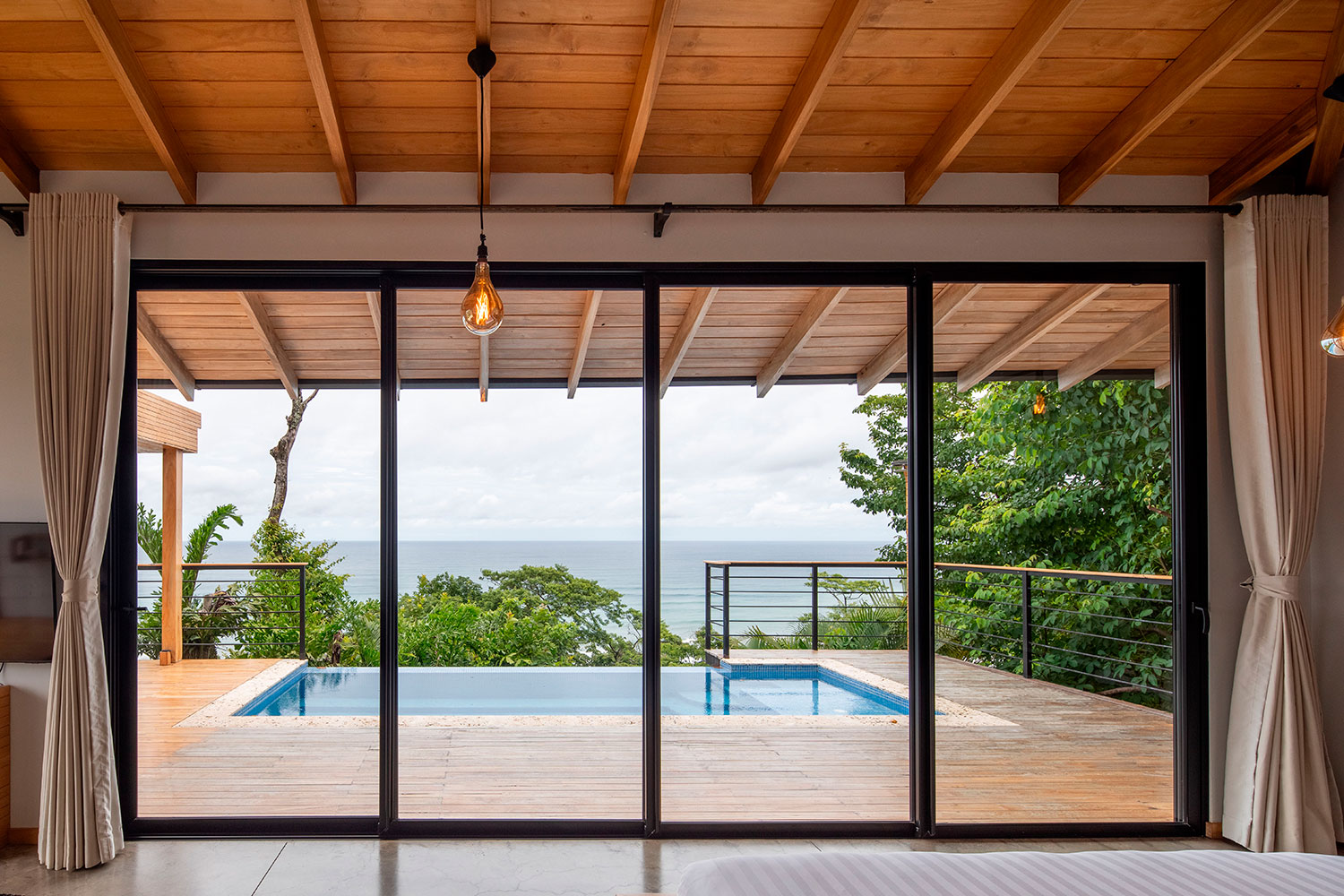
In the tropics, a design that allows for good air circulation is essential. We incorporate strategic openings to promote natural ventilation. This reduces the need for air conditioning and ensures healthier and more comfortable indoor environments.
Integration with the Topography
Each site has its own unique topography and environment. Our philosophy is to create a design that integrates seamlessly with the surroundings. We work with the natural terrain to preserve its character, minimizing earthworks and thus reducing environmental impact.
Passive Shading Systems
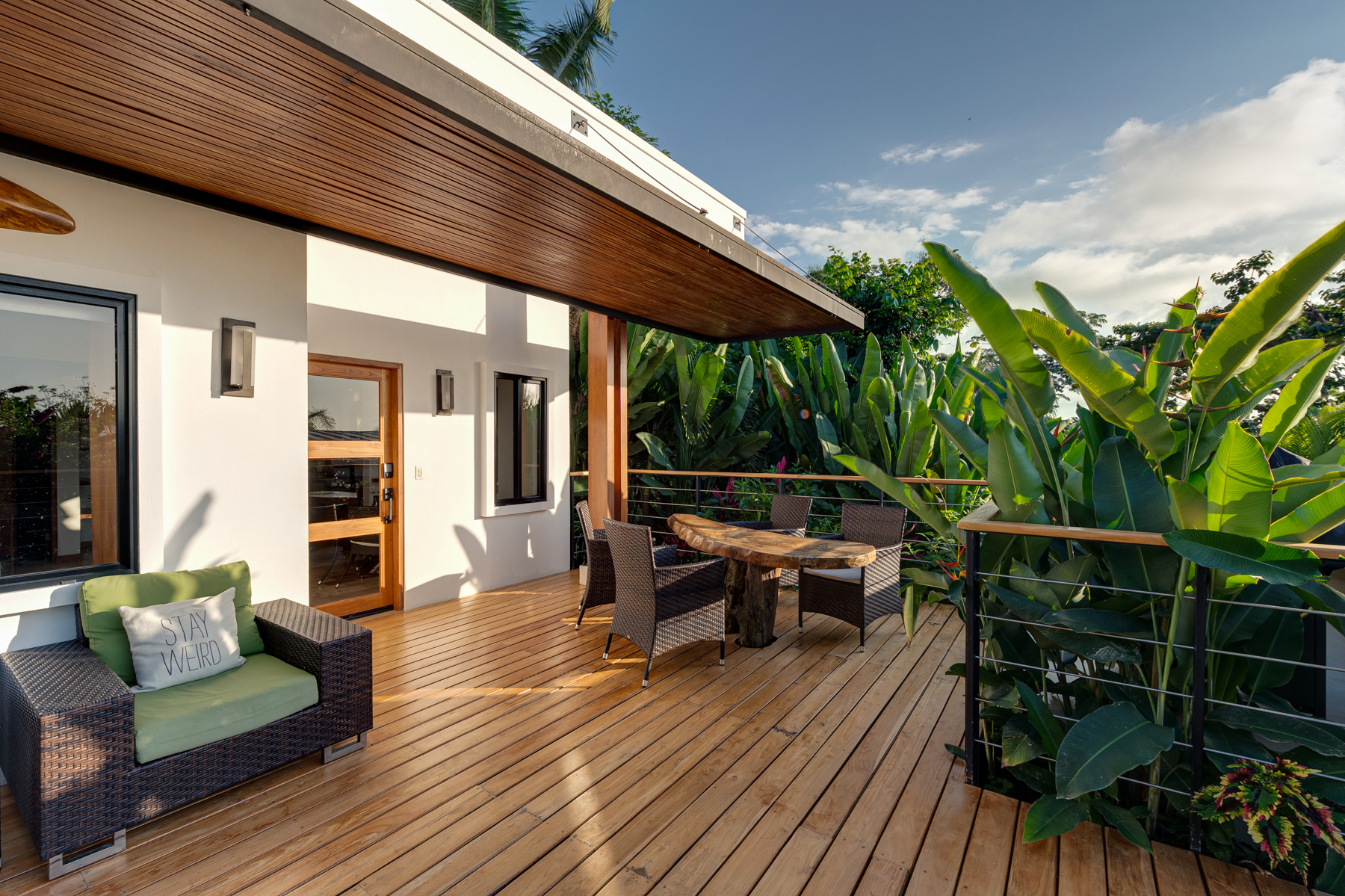
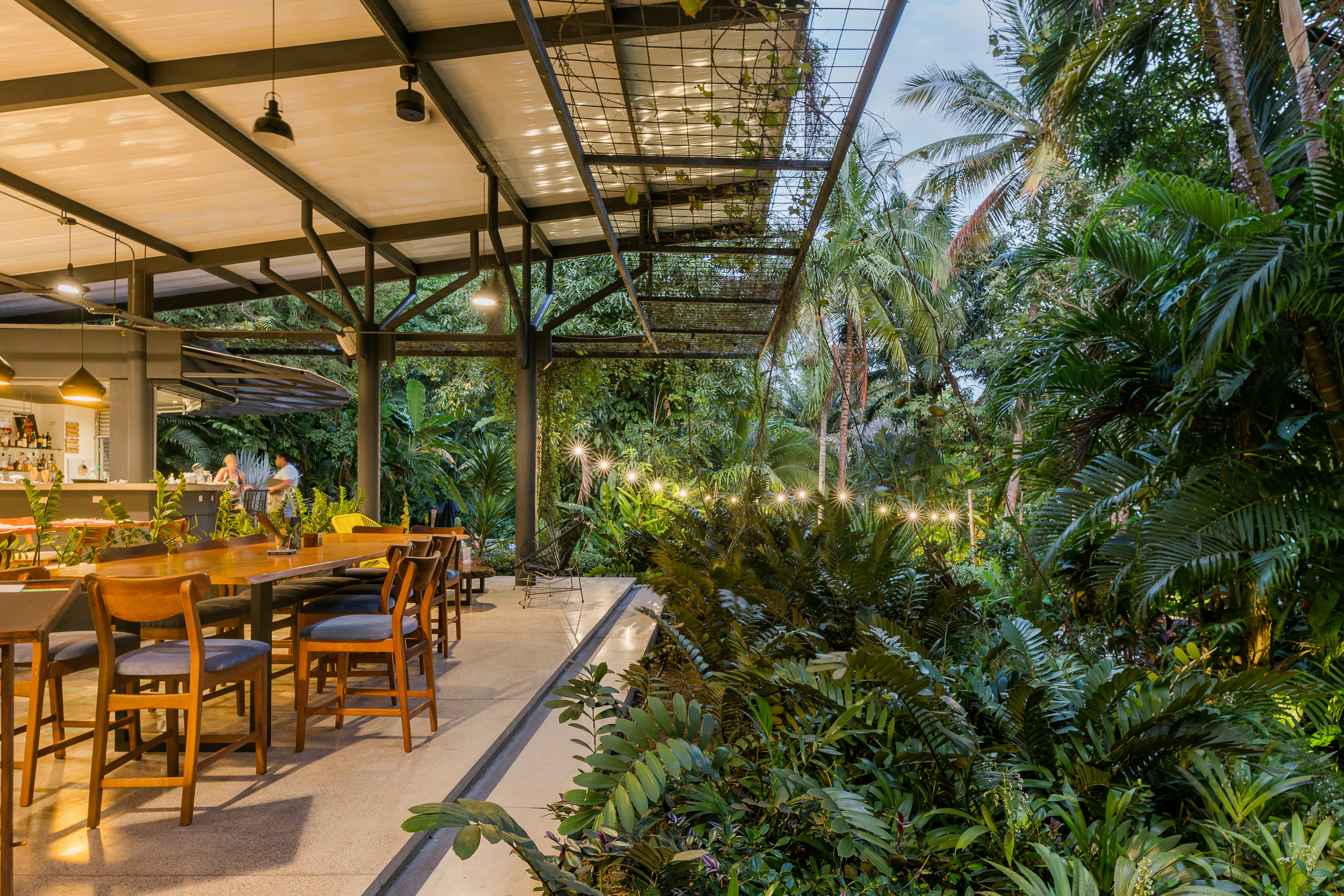
Lattices, movable panels, and vegetation act as a second skin, protecting the building. These elements allow us to regulate the intensity of solar radiation without energy expenditure, thus adding dynamism and a distinct aesthetic to our designs.
Lighting
Through a solar analysis, we minimize the use of artificial lighting during the day. We also incorporate LED luminaires equipped with occupancy sensors and automatic dimming systems to optimize energy consumption. In this way, we maintain the quality and warmth of the spaces, reduce our environmental footprint and improve long-term resource efficiency.



Leave a Reply